
In the Media
At UNJUST UK, we take every opportunity we can to shine a light on the harms caused by racial discrimination in the Criminal Legal System. Only through shining a light on this injustice in the national media can we fulfil our vision of the Criminal Legal System in England and Wales being free of racial discrimination and underpinned by equitable laws, policies, and practices.

Click the links below to see some of the press coverage featuring UNJUST UK:

July 2023

July 2021

January 2025
UNJUST UK Executive Director/Founder Katrina Ffrench is interviewed by Tiffany Calver, as part of a BBC documentary exploring the impact of increased policing, stringent criminal orders, digital surveillance and tougher sentences for drill artists.
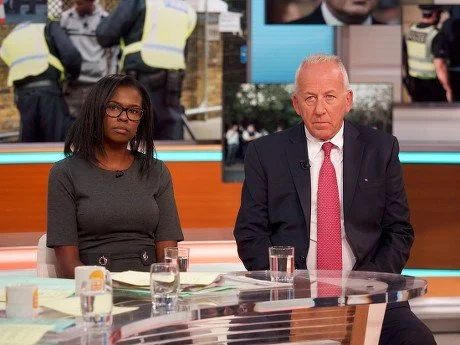
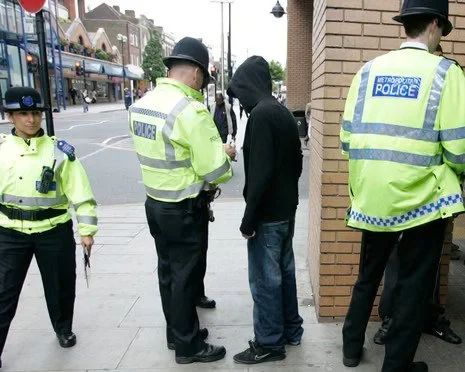
Katrina Ffrench is interviewed on Sky News, following the revelation that 650 children were subjected to strip searches by the Metropolitan Police in the past two years.
UNJUST UK forms part of the Strip Search Coalition, a group of organisations campaigning to end the use of child strip searches.
Katrina Ffrench’s opinion piece in the Guardian, explaining how tough police tactics always backfire. If the prime minister wants to cut knife crime, there are far more effective ways.
BBC Radio 1Xtra’s Ritchie Brave interviews UNJUST UK Executive Director/Founder Katrina Ffrench on the unlawful usage of the Metropolitan police’s Gangs Matrix, and how to hold the police to account using Subject Access Requests.

September 2026
UNJUST UK Executive Director/Founder, Katrina Ffrench, speaks live on Channel 4 News, after Youth Justice Minister Jake Richards outlines the government’s proposals to punish and even criminalise parents for the behaviour of their children.

January 2025
The Gang Violence Matrix operated by the Metropolitan Police, which linked individuals to alleged gang membership, was permanently deleted on 13 February 2025. Erase The Database is a collective campaign comprising UNJUST, Tottenham Rights, and The 4Front Project, all Black-led racial equity and justice organisations.

August 2022

August 2022
Katrina Ffrench is interviewed by Tortoise Media on the campaign to end child strip searches.
April 2022

May 2022
Katrina Ffrench is interviewed by openDemocracy on the racial disparity in police use of drug testing, calling for officers to account for use of their powers.
Katrina Ffrench is interviewed by openDemocracy on the news that despite hundreds of complaints of racism towards colleagues over the past five years, only four officers lost their jobs.
March 2022

March 2022

February 2022

February 2022
Stop and Search: the gateway drug to racial disparity in the Criminal Legal System, which the government just won’t put down - Katrina Ffrench.

May 2021
Katrina Ffrench is interviewed in The Times following the release of statistics that Black people are ten times more likely than white people to be sent to prison for a first-time drug offence.
Katrina Ffrench speaks in the i Paper on the racial bias inherent in the Gangs Matrix.
Black people represent 79 per cent of entries on the gangs matrix – despite accounting for 27 per cent of those convicted of offences related to serious youth violence.
July 2020
February 2020

December 2019
August 2019
UNJUST UK was founded in January 2021. Our Executive Director/Founder Katrina Ffrench has spoken out on social issues impacting racialised communities throughout her career.
Below are just some examples of this press coverage:
Stopwatch Chief Executive, Katrina Ffrench, speaks live on Channel 4 News, following confirmation the Metropolitan Police has been forced to delete hundreds of names from its Gang Violence Matrix.
Katrina Ffrench, Chief Executive of StopWatch, is interviewed by the Centre for Crime and Justice Studies on the issue of stop and search.
Katrina Ffrench’s opinion piece in the Guardian, highlighting how the home secretary’s extension of discriminatory police stop and search powers is mere political grandstanding.
Stopwatch Chief Executive, Katrina Ffrench, is interviewed in the Guardian about the shockingly disproportionate use of stop and search in the capital.